

Water management is a cornerstone of successful soybean cultivation. Providing the right amount of water at the right time is crucial for maximizing yield and pod quality. This comprehensive guide delves into the most efficient irrigation method for soybeans, analyzing its advantages from both plant physiology and environmental perspectives, and provides a detailed list of critical management considerations.
After evaluating various systems against the specific needs of the soybean plant and modern agricultural sustainability goals, Drip Irrigation stands out as the most efficient and effective method. A secondary, viable option where drip systems are not feasible is Furrow Irrigation on Raised Beds.

Why Drip Irrigation is the Superior Choice:
A. Benefits for the Soybean Plant:
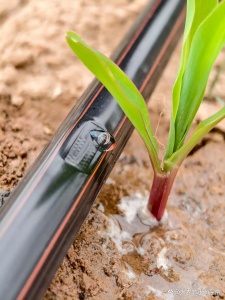
1. Precise Water Matching to Growth Stages: Soybeans have a variable water requirement throughout their lifecycle. They need less water during germination and early vegetative stages (which encourages deep root growth) and are extremely sensitive to water stress during the critical flowering and pod-setting stages. Drip irrigation delivers water directly to the root zone like an “IV drip,” allowing farmers to apply precise amounts exactly when needed, avoiding waterlogging in the early stages and drought stress during critical reproductive phases.
2. Promotes Superior Root Development: Drip irrigation creates a consistent “moisture bulb” in the soil, encouraging roots to grow deeply and densely within this zone. This results in a stronger, more resilient root system that enhances drought tolerance and nutrient uptake, compared to the shallower root systems often promoted by surface flooding.
3. Prevents Physiological Disorders:
Reduces Flower and Pod Abortion: Water stress during flowering is a primary cause of flower and pod drop. Drip irrigation maintains stable soil moisture, significantly minimizing this yield-limiting phenomenon.
Lowers Disease Risk: Many soybean pathogens, like Sclerotinia stem rot (white mold) and root rot, thrive in humid conditions. By wetting only the soil and not the foliage, drip irrigation keeps the plant canopy and base drier, creating an unfavorable environment for disease development and spread.
4. Enables Optimal Fertigation: Drip systems can be seamlessly integrated with fertilization (a practice known as fertigation). This allows for the direct application of nutrients like phosphorus, potassium, and molybdenum to the root zone precisely when the plant needs them, dramatically increasing fertilizer use efficiency.
B. Benefits for the Environment and Farm Sustainability:
1. Highest Water-Use Efficiency: Drip irrigation applies water directly to the target area, minimizing losses from evaporation, runoff, and deep percolation. It can achieve water-use efficiency of over 90%, saving 30-50% water compared to conventional flood irrigation—a critical advantage in regions with water scarcity.
2. Protects Soil Health: Unlike flood irrigation, which can cause soil compaction, crusting, and erosion, drip irrigation preserves the soil’s structure and porosity. This maintains a healthy, well-aerated environment essential for root health and microbial activity.
3. Minimizes Nutrient Leaching: By preventing the excessive movement of water through the soil profile, drip irrigation reduces the leaching of fertilizers beyond the root zone. This not only saves on fertilizer costs but also protects groundwater from potential contamination.
To realize the full benefits of drip irrigation, careful management is non-negotiable.
1. System Design and Installation:
Water Filtration is Mandatory: Emitters are prone to clogging by sediments, algae, and mineral precipitates. A robust filtration system (screen, disc, or media filters) is essential and must be maintained regularly.
Proper Emitter Spacing: The layout must be tailored to your soil type. Sandy soils require closer emitter spacing for a continuous wetting pattern, while clay soils can have wider spacing.
2. Irrigation Scheduling (The Most Critical Aspect):
Monitor Soil Moisture: Do not irrigate based on a fixed schedule. Use tools like tensiometers or soil moisture sensors to measure water tension in the root zone. For example, irrigation should be triggered during pod-fill when the soil water tension reaches a specific threshold (e.g., -25 to -40 centibars).
Follow Crop Water Needs:
Vegetative Stage: Allow the soil to dry moderately to encourage deep rooting.
Flowering and Pod-Set (Critical Period): Maintain consistent, adequate soil moisture. Do not allow the plant to experience stress.
Pod-Filling Stage: Ensure a steady water supply until leaves begin to yellow, then taper off irrigation as the crop matures.
Avoid Over-Irrigation: Precisely control the runtime to prevent water wastage and waterlogging, even with an efficient system.
3. Maintenance and Agronomic Practices:
Regular System Flushing: Periodically flush the lateral lines to remove any accumulated sediments.
Emitter Inspection: Routinely check for clogged, leaking, or damaged emitters and replace them promptly.
Weed Management: The dry soil between rows can suppress some weeds, but it may also require occasional shallow cultivation or targeted herbicide use.
Fertigation Best Practices: Use only fully water-soluble fertilizers. Always flush the system with clean water after each fertigation cycle to prevent salt buildup and emitter clogging.
4. Mitigating Environmental Risks:
Prevent Salt Accumulation: In arid regions, salts can accumulate at the edges of the wetted zone. A leaching irrigation with a larger volume of water (if possible) at the end of the season may be necessary to flush salts from the root zone.
Integrate Weather Forecasts: Adjust your irrigation schedule based on reliable rainfall forecasts to avoid overwatering and unnecessary irrigation events.
For farmers seeking to optimize yield, improve crop quality, and enhance the sustainability of their operations, drip irrigation is the unequivocal choice for soybean production. Its ability to deliver water and nutrients with precision aligns perfectly with the soybean’s growth cycle, promoting plant health while conserving vital resources. While furrow irrigation remains a better alternative to flood irrigation, the superior control, efficiency, and resulting benefits of a well-managed drip system make it the modern standard for profitable and environmentally responsible soybean farming.